
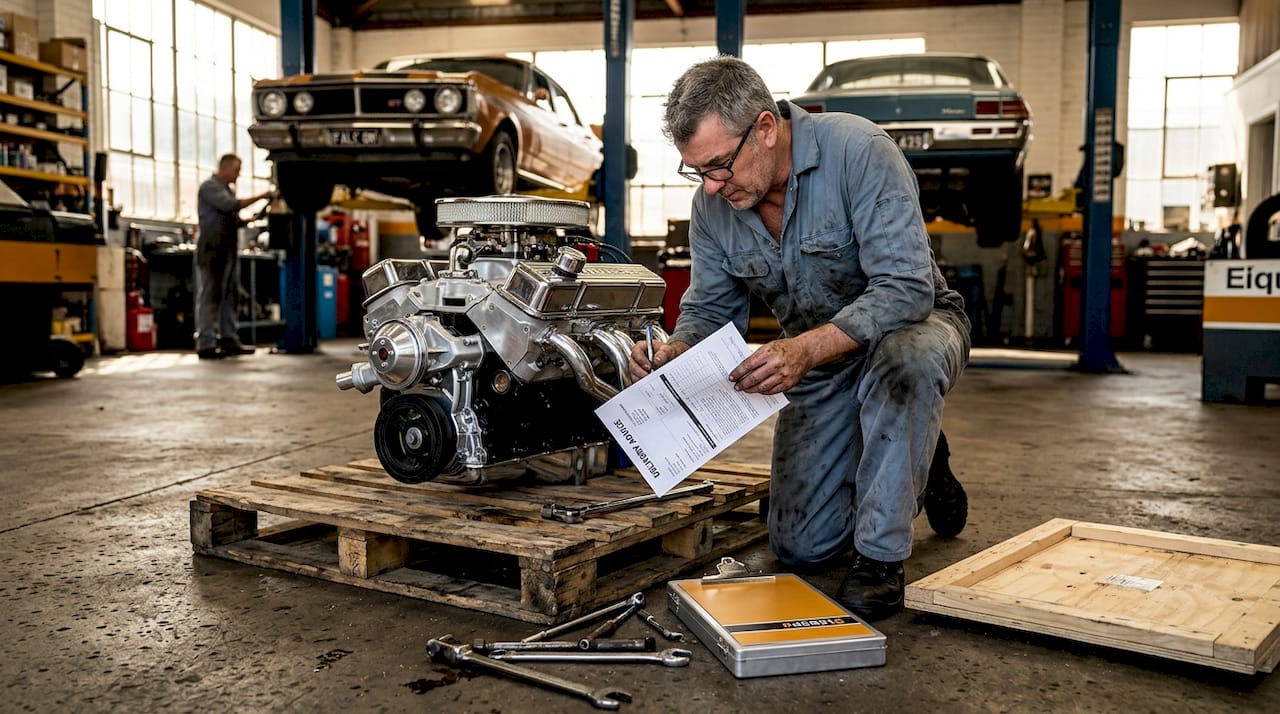
When your engine gives up the ghost, the rebuild-versus-replace decision can feel like a minefield. The benefits of new crate engines make that choice considerably clearer for most vehicle owners. A new crate engine arrives factory assembled, dyno tested, and ready to drop in, cutting weeks of workshop time and removing the guesswork that plagues local rebuilds. Whether you are chasing a performance upgrade, restoring a classic, or simply getting a daily driver back on the road, understanding what a crate engine actually delivers will help you spend smarter and avoid costly surprises.
Table of Contents
- Key takeaways
- 1. The core benefits of new crate engines: quality you can count on
- 2. Slashing vehicle downtime with a ready-to-install solution
- 3. Warranty coverage that actually protects your investment
- 4. Performance upgrades built into the crate
- 5. Understanding the full cost picture
- My honest take on crate engines after years in the industry
- Engine Zone has the crate engines your build deserves
- FAQ
Key takeaways
| Point | Details |
|---|---|
| Factory quality is consistent | New crate engines are assembled and dyno tested under controlled conditions, reducing post-installation failures. |
| Downtime drops dramatically | Crate engines can be ready to install in as little as 4 days versus 6 to 10 weeks for a rebuild. |
| Warranty coverage is stronger | Many crate engines carry 24-month or 50,000-mile coverage, well above typical local rebuild guarantees. |
| Budget for the full ecosystem | Accessories, adapters, and freight costs can add thousands beyond the engine sticker price. |
| Performance upgrades are possible | High-output crate options suit restoration projects and hot rod builds with modern tuning support. |
1. The core benefits of new crate engines: quality you can count on
The single biggest advantage of a new crate engine over a local rebuild is predictability. Every engine that leaves a reputable factory has been assembled on calibrated equipment, with torque specs applied consistently and machining tolerances verified before the unit ships. That is not something a small workshop can replicate on a one-off basis.
Factory assembled and dyno tested to consistent tolerances, new crate engines reduce vehicle downtime from months to days. Dyno testing is the part most people overlook. It means the engine has already fired, run under load, and confirmed its output figures before it reaches your garage. You are not the test run.
The benefits of tested crate engines become obvious when you compare failure rates. A rebuild depends on the skill of whoever is doing the work, the quality of parts sourced that week, and whether any hidden damage was missed during inspection. A new crate engine removes all three variables.
- Machining is performed on production-grade equipment with repeatable results
- Tolerances are verified before the engine leaves the factory floor
- Dyno runs confirm power output and identify any issues before shipping
- No hidden wear from previous use, unlike remanufactured options
Quality and warranty coverage reduce risk despite higher upfront cost compared to rebuilds. For anyone who has paid twice to fix a poorly rebuilt engine, that statement carries real weight.
2. Slashing vehicle downtime with a ready-to-install solution
Time is money, and nowhere is that more true than in automotive repair. A professional rebuild typically takes 6 to 10 weeks once you factor in disassembly, inspection, parts ordering, machining, and reassembly. A new crate engine can be ready for installation in 4 days after ordering.
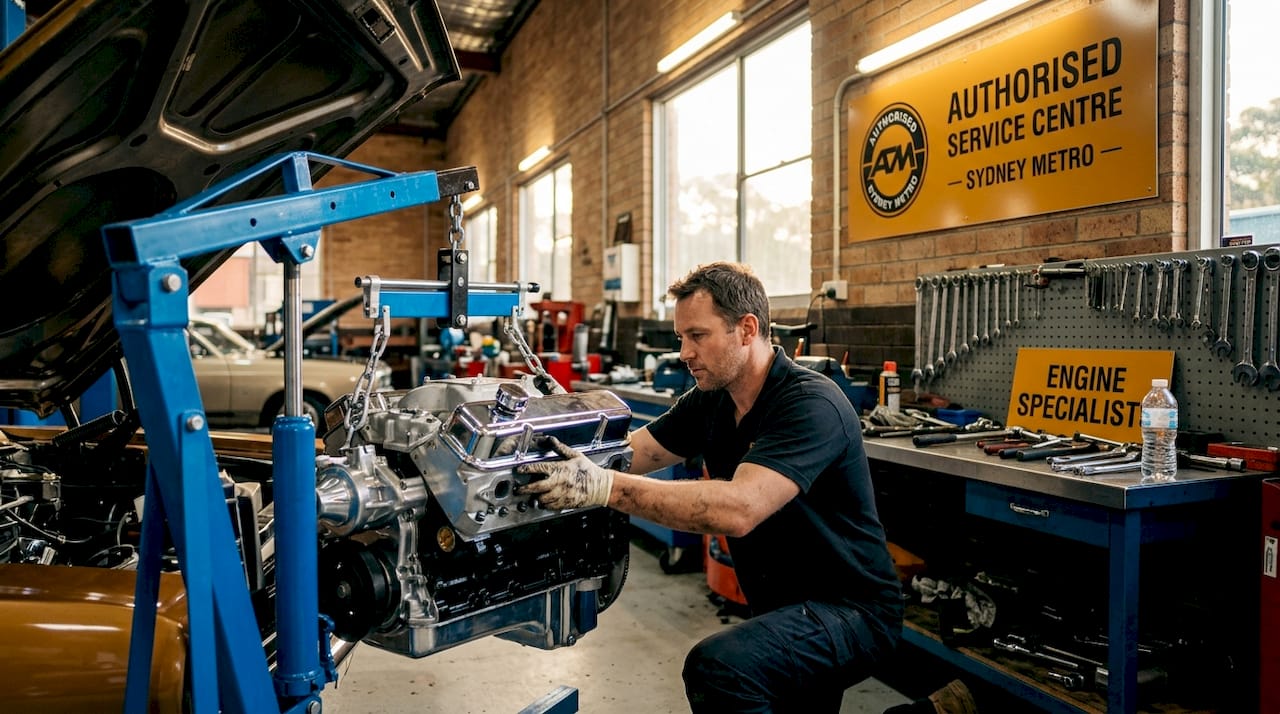
For fleet operators, that gap is enormous. A vehicle sitting in a bay for two months is a vehicle not generating revenue. The crate engine installation perks here go beyond convenience. They directly affect the bottom line.
For hobbyists and restorers, the time saving means your project stays on track rather than stalling while you wait on a machined crankshaft or back-ordered pistons. Crate engines cut repair times drastically compared to local rebuilds, which is particularly valuable when vehicle availability matters.
- No waiting on individual parts to arrive from multiple suppliers
- No delays caused by unexpected machining requirements
- Installation complexity is lower because the engine arrives as a complete, tested unit
- Scheduling your workshop time becomes predictable rather than open-ended
Pro Tip: Before ordering, confirm the engine’s exact fitment for your model year and variant. A one-week delay caused by a compatibility mismatch will eat into the time advantage you are trying to gain.
3. Warranty coverage that actually protects your investment
Ask anyone who has had a rebuilt engine fail six months after installation what their warranty covered. The answer is usually “not much.” Local rebuild shops commonly offer 12-month warranties, and some offer nothing at all in writing.
New crate engines are a different story. Many manufacturers provide 24-month or 50,000-mile coverage, with some suppliers offering three-year transferable warranties. That transferability matters if you sell the vehicle before the warranty expires.
| Coverage type | Typical duration | Transferable? |
|---|---|---|
| Local rebuild warranty | 6 to 12 months | Rarely |
| Remanufactured engine warranty | 12 to 24 months | Sometimes |
| New crate engine warranty | 24 months / 50,000 miles | Often yes |
| Premium crate engine warranty | 3 years | Yes |
“A factory-backed warranty on a new crate engine is not just a piece of paper. It is a signal that the manufacturer is confident enough in their assembly process to back it financially for years.”
The warranty also changes how you negotiate with your mechanic. When the engine is covered, labour costs for a warranty repair often fall on the supplier rather than you. That is a genuine cost-saving factor that rarely gets mentioned in the sticker-price comparison.
4. Performance upgrades built into the crate
One of the most compelling advantages of crate engines for restoration projects is that they are not limited to stock replacement. The crate engine market includes high-output options purpose-built for hot rods, track builds, and restorations where the original engine never had enough power to begin with.
Crate engines are popular with restorers and hot rod builders for the performance gains they deliver straight out of the box. A rebuilt original engine returns you to factory output at best. A performance crate engine can exceed that by a significant margin without requiring custom machining.
Tuning is where things get interesting. Tuneable platforms like the Gen 4X Coyote support popular tuning software for custom setups, meaning you can dial in fuelling, ignition timing, and boost parameters after installation. Not all crate engines offer this. Locked ECUs are a real limitation on some units, and choosing the wrong platform will cap your tuning potential before you even start.
- Verify whether the ECU is locked or tuneable before purchasing a performance crate engine
- Check compatibility with your preferred tuning software
- Confirm horsepower and torque ratings are independently verified, not just marketing figures
- Research whether the engine supports your planned modifications down the track
Pro Tip: If performance tuning is part of your plan, check the ECU configuration before you commit. A locked PCM will cost you more to resolve than buying the tuneable version upfront.
5. Understanding the full cost picture
The sticker price of a new crate engine can cause genuine shock, especially when you compare it to a rebuild quote. That comparison is almost always misleading, because it ignores what the rebuild quote does not include and what the crate engine requires to function.
Additional components like transmission adapters and standalone ECUs can add thousands beyond the engine price. A crate engine is an ecosystem purchase. The engine itself is the centrepiece, but it needs supporting components to work in your specific vehicle. Budgeting only for the engine is how projects go over cost.
Core exchange requirements and freight costs often lead to budget surprises. Freight for a crate engine can range from $1,200 to $2,500 depending on distance and shipping method. Core charges, which require you to return your old engine to the supplier, can also affect your net cost if the return is delayed or the core is assessed as damaged.
| Cost item | Rebuild estimate | New crate engine estimate |
|---|---|---|
| Base engine cost | $2,500 to $5,000 | $4,000 to $9,000 |
| Accessories and ancillaries | Included (reused) | $500 to $2,000 extra |
| Freight | Minimal | $1,200 to $2,500 |
| Core charge refund | N/A | Up to $1,500 back |
| Warranty value | Low | High |
Automotive experts emphasise understanding full system requirements when buying a crate engine, not just the engine itself. When you run the full numbers, the gap between a rebuild and a new crate engine often narrows considerably. And when you factor in warranty coverage and reduced downtime, the crate engine frequently wins on total value.
For Australian buyers, checking crate engine pricing locally is worth doing before locking in a budget, as local availability affects both price and freight significantly.
My honest take on crate engines after years in the industry
I have seen a lot of engine decisions go sideways, and almost every time, the problem was not the engine itself. It was the planning around it.
In my experience, the buyers who get the most out of new crate engines are the ones who treat it as a system decision, not a parts purchase. They verify accessory compatibility before ordering, they account for freight and core charges in their initial budget, and they check whether the ECU is tuneable if they have any intention of modifying the vehicle later. The buyers who regret their purchase almost always skipped one of those steps.
The predictability argument is the one I keep coming back to. People often focus on the upfront cost difference between a rebuild and a crate engine, but they underestimate the value of knowing exactly what they are getting. A rebuild from an unknown shop is a gamble. A factory-tested unit with a two-year warranty is not.
My one consistent piece of advice: vet your supplier as carefully as you vet the engine. Warranty terms vary widely, and a warranty that is difficult to claim is barely worth the paper it is printed on. Ask specifically about the claims process before you buy. Choosing a trusted supplier with clear warranty terms will save you more stress than any other single decision in this process.
— Jason
Engine Zone has the crate engines your build deserves
If you are ready to move past the rebuild-versus-replace debate, Engine Zone stocks a curated range of new crate engines for Hyundai and Kia vehicles across Australia, with fitment guarantees and expert support built into every sale.
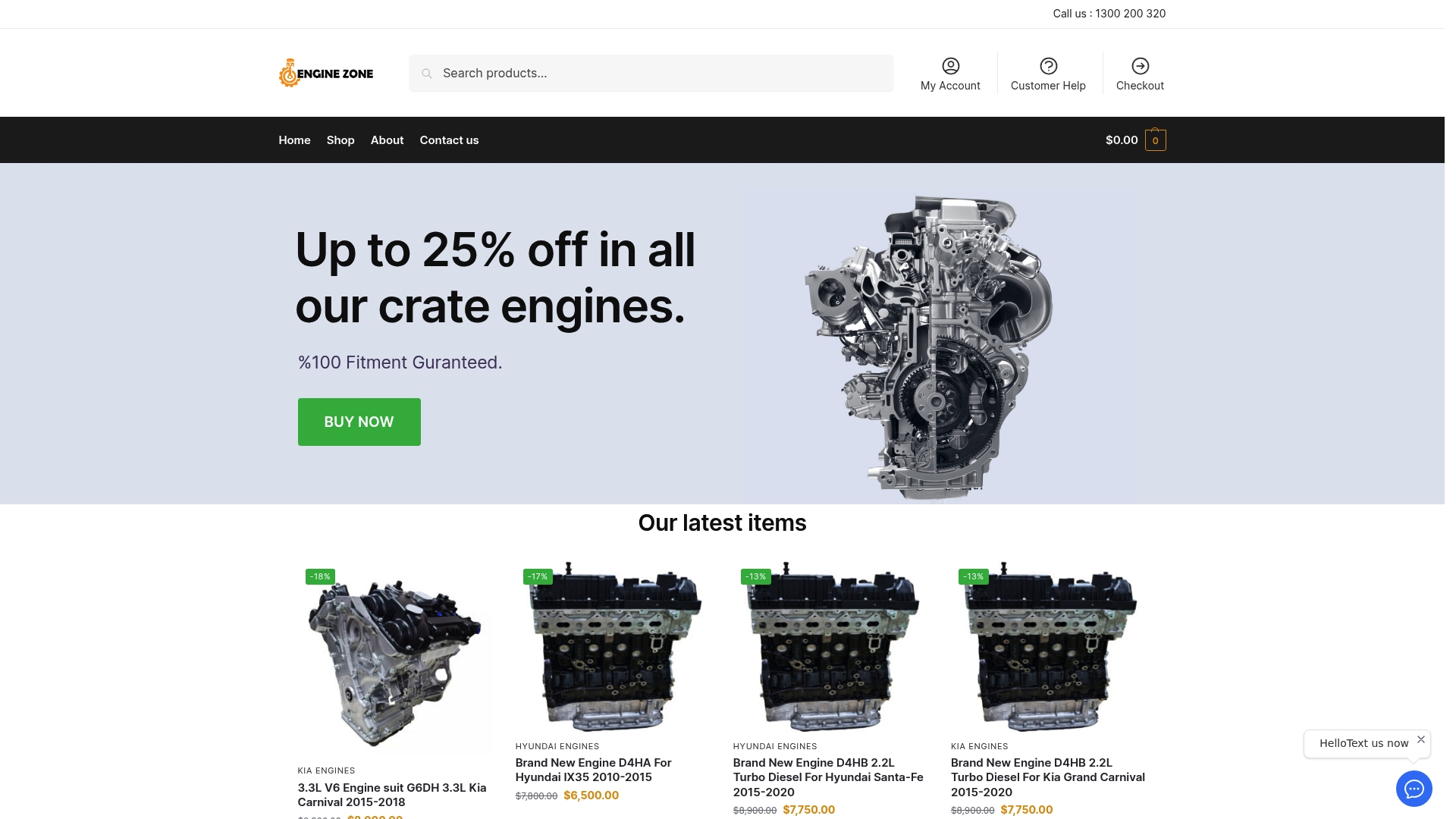
Engine Zone’s team can help you confirm the right engine for your exact model and year, so you are not guessing at compatibility. Every engine in the catalogue is new, tested, and backed by warranty coverage that gives you genuine protection. With free shipping available and discounts of up to 25% on selected units, the total cost of ownership stacks up better than most buyers expect.
Start with the crate engine selection guide to narrow down your options, or browse the full range to find the right fit for your vehicle. If you want to know who manufactures the most reliable units, the best crate engine builders guide covers the top names worth considering.
FAQ
What are the main benefits of new crate engines?
New crate engines offer factory-verified quality, faster installation compared to rebuilds, and stronger warranty coverage. They are ready to install in days rather than weeks, with dyno-tested performance straight from the factory.
How long does a new crate engine warranty typically last?
Most new crate engines carry 24-month or 50,000-mile warranties, with some premium options offering three-year transferable coverage. This is significantly longer than the typical 6 to 12 months offered by local rebuild shops.
Are crate engines good for restoration projects?
Yes. The benefits of crate engines for restoration projects include higher horsepower options, modern tuning compatibility, and consistent quality that a rebuilt original engine cannot match. Performance crate engines are a popular choice among restorers and hot rod builders.
What hidden costs should I budget for with a crate engine?
Beyond the engine price, budget for freight ($1,200 to $2,500), accessories and ancillaries, transmission adapters if needed, and any core charge requirements. These additional costs can add thousands to the total project investment.
Can I tune a new crate engine after installation?
It depends on the ECU configuration. Tuneable platforms support aftermarket software for custom calibration, while locked ECUs limit your options. Always confirm whether the ECU is open or locked before purchasing if tuning is part of your plan.